Pet Lifestyle
The Unexpected Ways Pets Improve Our Quality of Life
Owning a pet offers numerous unexpected benefits. Beyond companionship, it improves our quality of life both mentally and physically. For busy people, coming home to their pet is like meeting their most loyal friend. From stress reduction and alleviating loneliness to promoting physical health and boosting immunity, pets provide comprehensive care. Especially in today's era of widespread smart technology, we can better enjoy the time spent with our pets.

Psychological Benefits of Pet Ownership
Studies show that interacting with pets can effectively reduce stress levels and improve anxiety. When we pet animals, our bodies release a hormone called oxytocin, which helps relieve tension and promote relaxation. Furthermore, caring for a pet can instill a sense of responsibility, which is especially important for the elderly or those living alone. For children, owning a pet can also help cultivate their compassion and patience.
Expanding Social Circles
Pets are often a great social topic, helping their owners expand their social circles. When you take your pet for walks or to events, you'll meet many other pet lovers, which helps build new friendships. Attending pet training classes, pet clubs, and other activities can further strengthen interpersonal relationships.
Positive Impacts on Physical Health
Besides emotional support, pets can also promote our physical health. Daily dog walks not only exercise the owner's body but also help the pet maintain a good physique. Some studies suggest that pet owners are less likely to suffer heart attacks because playing with pets helps them stay active.
Natural Emotional Healing: From "Blood Pressure Medication" to "Psychotherapist"
The positive impact of pets on mental health has been confirmed by numerous studies; they can be considered "walking mood regulators."
- Physiological Stress Reduction:
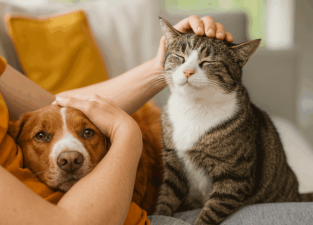
Interacting with pets, such as petting a dog or listening to a cat purr, can stimulate the release of oxytocin (a hormone that makes people feel happy and relaxed) and lower cortisol (a stress hormone).
Studies show that petting a pet can lower a patient's systolic blood pressure by an average of 12 mmHg.
- Unconditional Love and Companionship:
Pets provide pure and unconditional love; they don't judge or complain and are their owners' most loyal supporters. Whether their owners are happy or sad, pets will wag their tails or rub against their legs to offer comfort. This emotional support is crucial for alleviating loneliness and depression.
- Promoting Emotional Stability:
Many owners report that they subconsciously control their temper and learn to communicate more peacefully to avoid upsetting their sensitive pets, thus becoming more emotionally stable.
Points to Note: While owning a pet has many benefits, it also requires careful consideration. First, before choosing a pet, fully understand whether you have enough time and energy to care for it. Second, ensure that your community allows the type of pet you choose. Finally, purchasing insurance to cover potential situations is also a wise choice.
Conclusion
Owning a pet is essentially a "happiness investment" lasting over a decade. From reducing medical expenses to enhancing family cohesion, its comprehensive benefits far outweigh the material costs. For families in today's high-pressure society, pets are not only companions but also natural emotional regulators, health managers, and relationship repairers. Under the premise of scientific care, pets can systematically improve the quality of family life, making them arguably the most cost-effective "emotional infrastructure."