





Pet Encyclopedia
Meet the Friendliest Dog Breeds in the World
A dog's "spirituality" isn't some mystical concept, but rather manifested in a series of concrete and perceptible behaviors. It combines high intelligence, strong empathy, and absolute loyalty, expressed as: gratitude, keen observation skills, exceptional learning and comprehension abilities, the ability to warn of danger in critical moments, and unwavering focus on its owner. Based on these standards, combined with globally recognized intelligence rankings, obedience, and feedback from numerous owners, Border Collies, Golden Retrievers, German Shepherds, Labrador Retrievers, Chinese Rural Dogs, Poodles, and Doberman Pinschers are undoubtedly among the most representative breeds.
Exotic Pet Guide
What You Should Know Before Getting an Exotic Pet
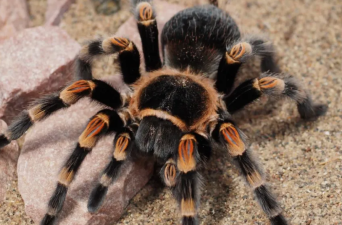
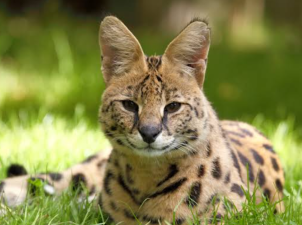
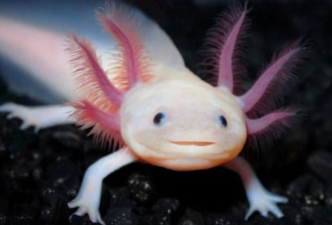
Exotic pets have become increasingly popular in recent years. From ball pythons, leopard geckos, and sugar gliders to hedgehogs, tortoises, and large parrots, these animals, distinct from traditional cats and dogs, have attracted a growing number of enthusiasts with their unique appearances and behaviors. On social media, their cute and playful side is frequently seen, with many videos even suggesting they are easy to care for and make exceptional family companions. However, many people only realize the reality after actually owning one that it's not entirely the same as what's portrayed online. In fact, most exotic pets have very specific needs. They require specific temperatures, humidity levels, diets, and living environments, and some even require treatment from a specialized exotic veterinarian. Compared to cats and dogs, they typically don't express emotions proactively and don't adapt to new home environments quickly, requiring owners to invest more time in learning about them. Owning an exotic pet isn't about chasing novelty; it's a responsibility that may last for decades. Understanding their true needs before making a decision is far more important than the purchase itself.
Exotic Pet Guide
The Exotic Pets That Are Gaining Popularity Around the World
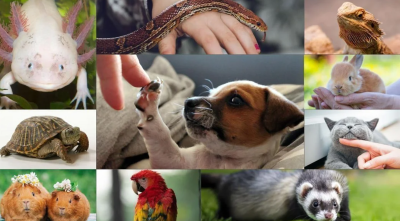
In today's increasingly popular pet culture, traditional cats and dogs are no longer the only pet choices for young people. Now, hamsters, geckos, spiders, and other "desktop exotic pets" are becoming new choices for young people to find emotional support and social interaction, thanks to their unique charm. From the therapeutic hamster to geckos, lizards, and even spiders and snakes—alternative "cold-blooded pets"—they are becoming emotional support and new social symbols for young people due to their low cost, high companionship, and strong sharing characteristics. Exotic pets are short for exotic or unusual pets, referring to wild animals from other regions that are kept as pets for enjoyment and economic purposes, distinct from traditional cats and dogs. These include invertebrates such as insects, as well as vertebrates such as birds, mammals, amphibians, and reptiles.
Pet Care Tips
Veterinarians Reveal the Biggest Mistakes Pet Owners Make
It seems to be a common understanding among most pet owners that veterinary care for cats and dogs is more expensive than for humans. This is because many people use human veterinary fees as a point of comparison, making unscientific comparisons and claiming that the pet healthcare industry is overpriced and that pet hospitals are making exorbitant profits. However, this misconception often stems from well-intentioned pet owners lacking relevant information or harboring misunderstandings, leading to health or behavioral problems in their pets.
Laws & Rules
Are Exotic Pets Legal Where You Live?
From reptiles and parrots to hedgehogs and sugar gliders, exotic pets are becoming increasingly popular. While these animals look unique and fascinating, keeping one isn't always as simple as buying one from a breeder or pet store. Laws and regulations vary widely between countries, states, and even cities, so it's crucial to understand the relevant regulations before bringing an exotic pet home.
Meet the Friendliest Dog Breeds in the World
A dog's "spirituality" isn't some mystical concept, but rather manifested in a series of concrete and perceptible behaviors. It combines high intelligence, strong empathy, and absolute loyalty, expressed as: gratitude, keen observation skills, exceptional learning and comprehension abilities, the ability to warn of danger in critical moments, and unwavering focus on its owner. Based on these standards, combined with globally recognized intelligence rankings, obedience, and feedback from numerous owners, Border Collies, Golden Retrievers, German Shepherds, Labrador Retrievers, Chinese Rural Dogs, Poodles, and Doberman Pinschers are undoubtedly among the most representative breeds.
Pet Lifestyle
What Does Your Pet's Personality Say About Them?
Each pet has a unique personality. Some dogs are naturally lively and always full of energy; some cats like to stay quietly by the window and observe the world. Even pets of the same breed and litter may have completely different behaviors and personalities. In fact, the personality of pets not only affects the way they get along with people, but also reflects their growth experience, living environment, health status and inner security. For owners, understanding their pets' personalities is not only to get along better with them, but also to help them discover their needs and emotional changes in a timely manner. With the development of animal behavior, more and more studies have shown that a pet’s personality is affected by genetics, socialization training, daily environment and the owner’s interaction style. Some seemingly ordinary behaviors, such as being clingy, preferring to be alone, timid, curious, or exploring, may hide different personality traits. Learning to observe these behaviors can not only help owners establish a more tacit human-pet relationship, but also provide pets with a lifestyle that is more suitable for them.