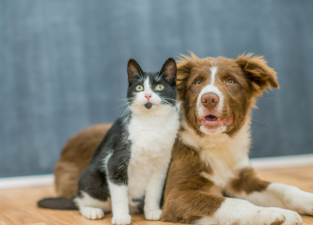
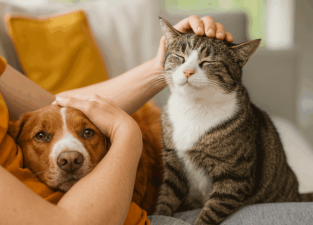
Pets can't express their feelings verbally, but they convey information to their owners daily through behavior, eye contact, and habits. For cats and dogs, a healthy and happy life means more than just eating on time; they also need ample exercise, a safe living environment, companionship, and good physical care. As more and more families consider pets family members, people are paying more attention to their pets' mental health and quality of life, going beyond simply meeting their basic nutritional needs.
Often, when pets exhibit picky eating, anxiety, excessive barking, destructive behavior, or poor mental state, it's not because they're "disobedient," but because certain daily needs aren't being met. For example, a lack of exercise can lead to excess energy in dogs, and a lack of toys and climbing space can cause stress in cats. Understanding what pets truly need can not only reduce many behavioral problems but also help them live longer and healthier lives. The following daily needs are things almost all pets want their owners to understand and value:
More than just being full, they need balanced nutrition
Many owners believe that feeding them on time every day is enough, but pets, like humans, also need balanced nutrition.
Pets of different ages, sizes, and activity levels have different needs for protein, fat, vitamins, and minerals. Young pets need more nutrition to help them grow, while older pets require more calorie control and joint protection.
Also, ensure they have access to clean, fresh drinking water every day, especially in hot weather or after exercise.
Daily Exercise and Play are Essential
Exercise not only helps pets maintain a healthy weight but also relieves stress.
Dogs need daily walks, running, or interactive games; even indoor cats need toys like cat wands, cat trees, and balls to help them burn energy.
Regular exercise reduces the risk of obesity and also reduces destructive behavior caused by boredom.
Owner's Companionship is More Important than Toys
Pets can sense their owner's emotions and are very dependent on companionship.
Setting aside some time each day to play, train, or simply interact with them not only strengthens the bond but also makes them feel more secure.
Even with a busy schedule, short interactions, petting, or conversation can make your pet feel valued.
Maintain a Clean and Comfortable Living Environment
The environment your pet lives in daily directly impacts its health.
It is recommended to regularly:
Wash food and water bowls
Change litter
Clean pet bedding
Disinfect toys
Keep the room well-ventilated
A clean environment reduces bacterial growth and lowers the risk of skin diseases and parasite infections.
Don't Neglect Regular Grooming
Besides bathing, daily grooming is equally important.
Including:
Grooming
Trimming nails
Clean ears
Checking teeth
Regular deworming
Matching vaccinations
These seemingly simple things are crucial for your pet's long-term health.
Respect Their Habits
Every pet has its own personality.
Some prefer quiet rest, some love to play; some cats prefer solitude, while some dogs need more interaction.
Owners should observe their behavior rather than forcing their pets to live according to their own pace.
Understanding and respecting their nature builds a more trusting relationship.
Pay Attention to Any Physical Abnormalities
Pets cannot tell us where they are uncomfortable, so owners need to be more observant. If any of the following occur, consult a veterinarian as soon as possible:
Sudden loss of appetite
Poor mental state
Persistent vomiting or diarrhea
Abnormal gait
Difficulty breathing
Significant change in water intake
The earlier a problem is detected, the better the treatment outcome.
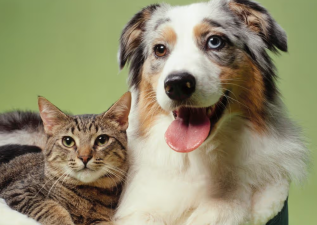
How to tell if your pet is happy?
A well-behaved pet will typically exhibit the following characteristics:
✔ Normal appetite and active spirit.
✔ Trust and willingness to interact with its owner.
✔ Regular sleep patterns and stable mood.
✔ Shiny fur and bright eyes.
✔ Curiosity about its surroundings.
These behaviors often indicate that their physical and mental health is good.
Summary
Pets don't directly tell us what they need, but their daily behavior sends signals. Besides providing food and shelter, ample companionship, regular exercise, proper care, and a healthy living environment are also essential components of their happiness. When owners are willing to spend time observing, understanding, and caring for their pets' true needs, they not only help them have a healthier and happier life but also cultivate a deeper and warmer bond.