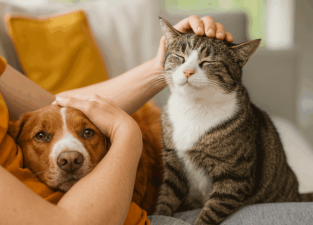
For a growing number of people, pets are no longer just companion animals, but true family members. Whether it's a lively and active dog or a quiet and independent cat, they bring more joy and warmth to life. However, pet ownership means more than just providing food and shelter; it also requires understanding their daily needs, behavioral habits, and psychological changes. As modern pet ownership concepts continue to evolve, people are paying more attention to their pets' health, emotions, and quality of life, hoping to provide them with a happier and healthier life through scientific care methods.
In fact, a happy pet depends on a balanced diet, adequate exercise, a good living environment, and the patient companionship of its owner. Many common problems, such as anxiety, obesity, picky eating, destructive behavior, or poor mental state, are closely related to daily habits. By mastering some simple and scientific methods, you can help your pet establish a good daily routine, while also strengthening the bond between you and your pet. This guide will introduce how to build a happier and more harmonious lifestyle with your pet, covering aspects such as diet, exercise, health care, psychological needs, and the home environment.
Establishing Regular Eating Habits
Regular eating habits are a crucial foundation for a pet's health.
Owners should choose appropriate pet food based on their pet's age, size, and activity level, and maintain a consistent feeding schedule. Young pets need more nutrition to support their growth, while adult and senior pets require adjustments to their calorie intake based on their physical condition.
Simultaneously, ensure your pet has access to plenty of clean, fresh drinking water daily to prevent long-term dehydration from negatively impacting their health.
Ensure Ample Exercise and Interaction
Exercise not only helps pets maintain a healthy weight but also effectively releases energy and reduces behavioral problems.
Dogs need daily walks, runs, or interactive training; even indoor cats need exercise through toys like cat wands, cat trees, and educational toys.
Spending 20-30 minutes daily exercising with your pet not only contributes to their physical health but also strengthens the bond between you and your pet.
Create a Comfortable and Safe Living Environment
Pets need a stable, safe, and comfortable living space.
It is recommended to prepare a designated resting area and keep the environment clean. Regularly cleaning food and water bowls, pet beds, and toys can reduce bacterial growth and lower the risk of disease.
For cats, provide additional play space such as cat trees and observation posts; for dogs, prepare a comfortable bed and a quiet resting area to give them a sense of security.
Prioritize Pet Health Care
Besides daily feeding, health care is equally important.
Owners should regularly:
- Groom their fur
- Trim their nails
- Clean their ears
- Check their teeth
- Deworm them
- Vaccinate them
- Regular health checkups
If your pet exhibits decreased appetite, lethargy, persistent vomiting, diarrhea, or abnormal behavior, consult a veterinarian promptly.
Meet Your Pet's Psychological Needs
Pets need not only physical health but also emotional companionship.
Appropriate daily interaction, such as playing, training, walks, or simple conversations, can help relieve stress and reduce anxiety in pets.
For pets that are often left alone at home, provide educational toys, interactive devices, or arrange suitable activities to maintain their mental well-being.
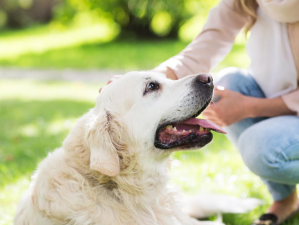
Cultivate Good Habits
A regular routine makes pets feel more secure.
It is recommended to maintain a fixed daily routine, including:
- Fixed feeding times
- Fixed walk times
- Fixed rest times
- Regular training
A stable daily rhythm helps pets build a sense of security and reduces many behavioral problems.
Several details owners easily overlook
Besides daily care, there are some small details that are easily overlooked.
Don't leave your pet alone at home for extended periods.
Regularly change toys to keep things interesting.
Adjust diet and living environment according to the season.
Respect your pet's personality and don't force interaction.
Regularly observe physical changes and promptly identify health problems.
These details, though simple, can significantly improve your pet's quality of life.
How to tell if your pet is happy?
A happy pet typically exhibits the following characteristics:
- Normal appetite and good spirits.
- Enjoys interaction with its owner.
- Glossy fur and bright eyes.
- Maintains appropriate exercise.
- Regular sleep patterns.
- Maintains curiosity about its surroundings.
If your pet exhibits persistent lethargy, hiding, aggressive behavior, or changes in appetite, you should further investigate the cause.
Conclusion
Happy pet ownership doesn't involve complicated secrets, but rather consistent, patient, and attentive care in daily life. From a balanced diet to regular exercise, from health care to emotional companionship, every detail impacts a pet's quality of life. When owners truly understand their pets' needs and give them enough love and respect, they not only help them have a healthier and happier life but also build a deeper human-pet relationship. For pets, a home filled with companionship, safety, and love is the happiest living environment.