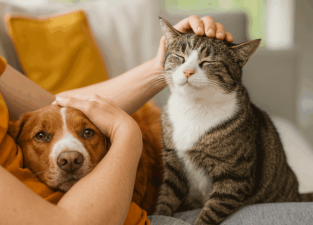
Like humans, pets need a rich and interesting daily life. While they can't express "boredom," a prolonged lack of activity, interaction, or environmental change can lead to depression, excess energy, and even behaviors like destructive behavior, excessive barking, excessive grooming, or decreased appetite. Many owners believe that feeding them on time and walking them regularly is enough to meet their pets' needs. However, a truly high-quality pet ownership experience also includes rich sensory experiences, appropriate challenges, and interaction between humans and pets.
In fact, keeping your pet happy every day isn't difficult, nor does it necessarily require buying expensive toys or supplies. Simple changes, such as adjusting walk routes, changing play patterns, increasing interaction time, and even involving your pet in family life, can help maintain their curiosity and energy. Whether you have a cat or a dog, the following simple methods can make their days more fulfilling and fun.
Frequently Change Play Content
Pets easily lose interest when playing with the same toy every day.
Owners can regularly rotate toys or try new forms of interaction, such as fetch, tug-of-war, hide-and-seek, or using a cat toy, to keep their pets engaged and excited. For pets who love to explore, occasionally introducing new challenges can increase their engagement.
Take them to explore new environments
Walking the same route every day will gradually acclimate your pet to their surroundings.
Occasionally changing your walks to different locations, parks, or trails allows your pet to smell new scents and observe different environments, enriching their sensory experience and helping to relieve stress. For indoor cats, safely setting up different activity areas can increase their exploration space.
Increase interactive training time
Training is more than just learning commands like sit and shake hands; it's a form of communication.
Spending 10 to 15 minutes a day on simple training not only improves your pet's concentration but also strengthens your bond. Rewards and encouragement make pets more willing to learn and give them a sense of satisfaction upon completion.
Use educational toys to stimulate thinking skills
Besides physical activity, pets also need to "use their brains."
Trench-dispensing toys, sniffing mats, puzzles, or treat-finding games can all help pets think and solve problems. These types of activities are especially suitable for energetic pets or those who spend a lot of time indoors, effectively reducing behavioral problems caused by boredom.
Create More Time for Companionship
For most pets, their owners are their favorite companions.
Setting aside regular time each day for companionship, such as taking walks together, grooming, playing games, or simply sitting quietly together, will make your pet feel safe and loved. The time spent together doesn't have to be long, but consistency is more important than occasional large interactions.
Enrich Your Home Environment
An interesting living environment provides pets with more opportunities to explore.
Try adding:
- Cat trees or climbing frames
- Window viewing platforms
- Toys of different materials
- Hidden treat corners
- Movable pet tunnels
Adjusting the layout of your home can also stimulate your pet's curiosity.
Involve Your Pet in Family Activities
Pets prefer companionship to being alone for long periods.
Let your pet stay by your side while doing chores, watching TV, gardening, or simply taking a short break. Even if they just observe quietly, participating in daily family activities will give them a sense of belonging.

Occasionally, prepare small surprises
Small changes in daily life can make your pet happier.
For example:
- A healthy treat
- A new toy
- A short outdoor trip
- A run in the grass
- A new sleeping mat
These small surprises can bring new experiences to your pet.
What behaviors indicate that your pet is enjoying life?
Generally, pets with fulfilling lives will exhibit the following characteristics:
Willing to play and interact actively.
Maintaining a stable appetite and sleep schedule.
Being curious about their surroundings.
Being in good spirits and active.
Establishing a good interactive relationship with their owner.
If your pet consistently appears listless, loses interest, or exhibits unusual behavior, try enriching their daily routine and observe if there is any improvement.
Conclusion
Giving your pet a happy and fun life doesn't mean scheduling different activities every day, but rather continuously creating new experiences in the ordinary routine. From a new walk route and an interactive game to a fixed amount of time spent together each day, every small change can make your pet happier and more confident. A truly happy pet life is not just about meeting basic needs, but also about maintaining their healthy bodies, positive emotions, and curiosity about life through love and companionship. If you observe carefully, you'll find that the simplest companionship is often the gift pets love most.