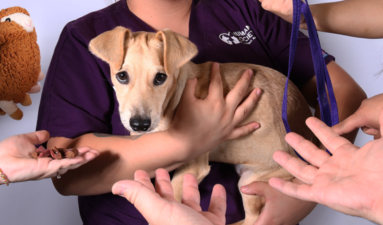
Have you ever wondered what a dog is thinking when it looks at you with those big eyes? Or how to understand what its incessant barking means? Dogs may not speak our language, but they express their thoughts and feelings in other equally important ways. Is there a way to learn to "speak" the language of our furry friends? While dogs cannot communicate verbally, they express their feelings, thoughts, and intentions through an incredibly rich array of body language, facial expressions, and vocalizations. This quiet yet expressive communication is key to understanding and meeting their needs and strengthening our bond.
Research shows that a better understanding of a dog's body language and behavioral cues can reduce stress and prevent misunderstandings that can lead to behavioral problems. Furthermore, this cross-species empathy allows us to gain a deeper understanding of the incredible thoughts of our four-legged friends, revealing the complexities of their emotional states and enriching our lives.
Ears
Ears are one of the most expressive body parts of a dog when it comes to communication. When they are up and forward, it may mean the dog is paying attention and interested in what's happening around it. If they are relaxed, it may indicate fear, submission, or a desire to de-escalate the situation. Knowing the specific location of a dog's ears can help you understand its mood and feelings in certain situations.
Tail Wagging: Tail wagging is perhaps the most common communication sign between people and dogs. A rapid tail wagging usually indicates happiness, while a tail tucked between the legs suggests fear or insecurity. However, not all tail wagging is a sign of happiness. A violent, stiff tail wagging can indicate aggression. Observing the dog's overall posture is important, not just the tail movement.
Barking
Barking is one of the most obvious forms of communication for dogs. Different types of barking can mean different things—from excitement and warning of danger to a desire for attention. Listening to the tone, frequency, and context of a dog's barks is crucial for correctly understanding the message it's trying to convey.
Eyes
Eyes can reveal a lot about a dog's inner state. A long, persistent gaze may indicate challenge or aggression, while avoiding a gaze suggests submission or fear. A relaxed, friendly expression with half-closed eyelids is a sign of trust and contentment. Paying attention to the "micro-expressions" in your dog's eyes can reveal emotions you might otherwise miss.
Posture
A dog's body posture is crucial for understanding its feelings. Submissive postures, such as lying down with an exposed belly, show confidence and relaxation, while tense, stiff postures may indicate aggression or fear. Relaxation, a hunched body, and a wagging tail are signs of friendly and playful behavior.
Yawning
A dog's yawning isn't always a sign of fatigue; it's often a sign of stress or discomfort. If your dog yawns when not sleeping, it may indicate stress or insecurity. Paying attention to the environment that triggers the yawning can help you better understand his feelings.

Licking and Biting
If your dog frequently licks or bites himself, it may indicate physical discomfort, such as allergies or parasites, or psychological distress, such as anxiety. It's important to take these signs seriously and see a veterinarian if necessary.
"Smiling"
Although dogs smile differently than humans, certain facial expressions can be interpreted as a smile. A relaxed mouth and "smiling" eyes usually indicate happiness and contentment. This smile is one of the most charming and positive signs your dog can display.
Shaking
Trembling or shaking can be a sign of cold, excitement, fear, or pain. It's important to pay attention to the circumstances under which he shakes so you can correctly understand what's happening to him. In some cases, dogs may tremble due to excitement or anticipation, but in others, it could indicate a more serious problem. If you are concerned that your dog is trembling frequently for no apparent reason, it is recommended that you see a veterinarian.
Head Tilting
When a dog tilts its head, it is usually showing interest or trying to better understand what is happening. This adorable sign can be a reaction to certain sounds or your speech, indicating that the dog is listening attentively and trying to understand your communication. Head tilting can also mean that your dog is sympathizing with you or trying to improve its vision. This gesture is often a sign of the intellectual and emotional bond between dog and owner.
Communicating with a dog requires patience, observation, and understanding. As you begin to recognize and understand what your dog is trying to say, your bond will deepen.