Pet Care Tips
Veterinarians Reveal the Biggest Mistakes Pet Owners Make
It seems to be a common understanding among most pet owners that veterinary care for cats and dogs is more expensive than for humans. This is because many people use human veterinary fees as a point of comparison, making unscientific comparisons and claiming that the pet healthcare industry is overpriced and that pet hospitals are making exorbitant profits. However, this misconception often stems from well-intentioned pet owners lacking relevant information or harboring misunderstandings, leading to health or behavioral problems in their pets.
Letting Pets Become Overweight
In the United States, the majority of cats (60%) and dogs (56%) are overweight or obese, but many pet owners are oblivious to this fact. You might see overfeeding as a little extra love for your pet, but in the long run, it can lead to serious health problems, including respiratory illnesses, orthopedic diseases, chronic inflammation, cancer, and metabolic disorders.
Many pet owners equate food with love, either overfeeding at mealtimes, overfeeding frequently (or both). Combined with low-quality food, high in carbohydrates (especially coarsely ground food), and lack of exercise, this quickly leads to weight gain in pets.
Most pet food companies also overestimate the amount of food pets need, and the feeding guidelines on the food packaging reflect these recommendations. Many pet owners feel guilty if they feed their pets less than the recommended amount, which is exactly what food companies want.
Fresh, whole foods suitable for your pet's breed (low-carb), are always the best choice, and when fed in appropriate portions, will help your pet reach and maintain an ideal weight. In addition, dogs need at least 20 minutes of exercise daily to maintain their heart rate, and if they are overweight, this will need to be extended.
I recommend that you and your dog work out a rigorous one-hour workout every day. If you are unsure whether your pet needs to lose weight, refer to details on how to determine if your pet is overweight—and how to help them lose weight.
Blaming your dog for bad behavior—it's often due to boredom
A veterinarian on Reddit said, "Many behavioral problems can be solved with lots of exercise every day." This is absolutely true! Bored and inactive dogs often exhibit behavioral problems or undesirable behaviors; they do this to expend energy. Just as you can't expect an energetic toddler to sit still all day, you shouldn't expect an energetic dog to be equally quiet if it doesn't have opportunities to run, sniff, and stimulate its brain.
Many dogs lack the necessary vigorous, heart-pounding exercise, let alone mental stimulation. To address some undesirable behaviors caused by boredom, try taking it for walks, enrolling it in a sniffing class, or engaging it in other types of cardiovascular exercise such as swimming, fetch, frisbee, agility games, fly ball, or doggy diving.
You can also exercise with your dog on a bicycle using a special bicycle leash. You need to provide some daily activity, or consider taking your dog to a dog gym.
Neglecting Dental and Nail Care
Most pets show signs of periodontal disease by age 3, which increases their risk of chronic diseases such as heart disease and diabetes, not to mention causing breathing difficulties and pain. While feeding fresh food suitable for its breed often reduces the incidence of dental disease, there's no guarantee that a pet's teeth will remain perfect without intervention.
Regular brushing is crucial for pets, helping to keep their teeth clean, reducing dental problems, and minimizing the need for professional dental cleanings (which require anesthesia). Pet nails also need regular care to prevent injury from snagging, curling, or embedding in the paw pads. While nail care may take some getting used to (especially if your pet isn't yet accustomed to nail trimming), it becomes easy once they do.
Inadequate Socialization of Puppies
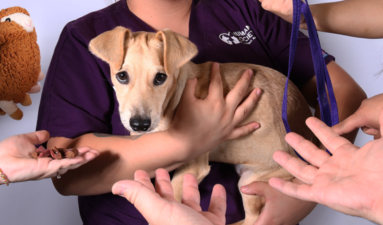
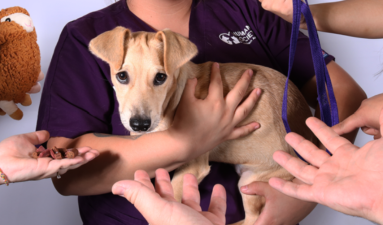
Puppies that are not properly socialized in their first three months of life have a significantly increased risk of behavioral problems such as aggression, fear, and avoidance. Lack of socialization after the first three months can also have a significant negative impact on a dog's behavior for the rest of its life.
Animal shelters and rescue facilities across the United States are filled with dogs suffering from various problems due to a lack of early socialization, even though the fault doesn't lie with them. The fact is, in the weeks and months after birth, your puppy will go through several important developmental stages in its life, and you should ensure they receive plenty of positive contact and interaction during this time. For example, in the first two months, your puppy should:
- Expose itself to as many healthy and safe people, animals, places and occasions, sights and sounds as possible, ensuring the approach is positive and enjoyable, and the pace is appropriate for the puppy's personality (generally, I recommend exposure to at least three new creatures per day).
- Encourage them to explore and investigate their surroundings under supervision.
- Expose themselves to plenty of toys, games, surfaces, and other stimuli.
- Travel with you daily to new and unfamiliar environments.
You need to continue this socialization and training until they reach adulthood, but missing this crucial early window can have lasting effects on a dog's mental health.
Ignoring Annual Checkups
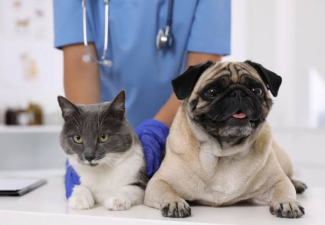
If your pet is healthy, you might think it's unnecessary to take them to the vet, but if you've been following our website for a while, you'll know I strongly disagree with this approach. Waiting until your pet is sick before seeking veterinary care is, in most cases, too late; you are being reactive.
Proactive veterinarians (like myself) aim to prevent disease from occurring. If we can only see our pets when they are sick, we cannot achieve this goal because we never have the opportunity to consciously create health through a lifestyle specifically designed for your pet. When pets maintain a healthy balance in their lives, a proactive veterinarian can develop a health protocol. The truth is, health will slip away passively if you don't consciously create it through wise lifestyle choices. Maintaining health is an active process; you must take the initiative, or it won't last.
A proactive veterinarian can address a pet's breeding/genetic tendencies, activity levels/exercise schedule, environmental stress/mental health, chemical load, diet, and other factors in their life to develop a health plan for every stage of their pet's life. If you're not interested in proactive veterinary care, I recommend taking your pet to the vet at least once a year for antibody titers, weight, and organ function checks (such as heart, liver, and kidney health).
Most pet owners do their best to provide the best care for their pets. By paying attention to common pet-owner mistakes and ensuring your pet maintains a healthy weight, provides sufficient physical and psychological stimulation, along with proper early socialization, regular hygiene checks, and veterinary care, you can avoid some of the most common pet-related pitfalls and ensure your furry friend lives a healthy, long, and happy life.