Laws & Rules
Why Some Exotic Pets Are Restricted or Banned
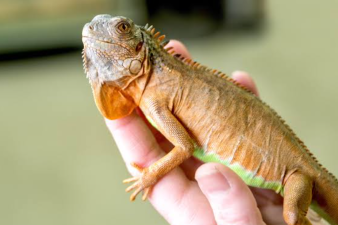
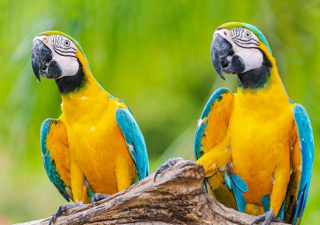
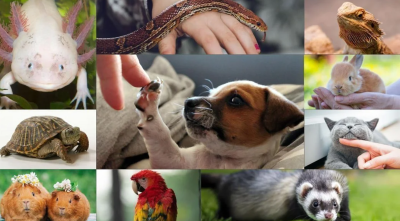
In recent years, exotic pets have gradually gained popularity, with snakes, lizards, sugar gliders, hedgehogs, parrots, and even monkeys becoming popular choices. However, not all exotic pets can be freely kept as pets. Different countries and regions have established corresponding management regulations based on animal species, ecological environments, and public safety, with some animals even being completely prohibited from being privately kept. So, why are these exotic pets restricted? The reasons behind this are not simply "dangerous."
Protecting the ecological environment and preventing the invasion of alien species
Many exotic pets do not originally belong to the local ecosystem. Once abandoned, escaped, or released into the wild, they may multiply rapidly, competing with native species for food and habitat, and even disrupting the entire ecological balance.
For example, some turtles, snakes, and large lizards have established wild populations in some countries after being released, causing long-term impacts on local wildlife. Therefore, many countries restrict the import and private keeping of these animals.
Reducing public safety risks
Not all exotic pets are suitable as family pets. Some animals are highly aggressive or possess venom, sharp teeth, and claws, posing a threat to their owners, neighbors, and even public safety in the event of an accident.
Large pythons, venomous snakes, birds of prey, and some primates are typically subject to strict regulations; in some areas, licenses are required for legal ownership.
Preventing Disease Transmission
Some wild animals may carry bacteria, parasites, or viruses, which can be transmitted to humans or other pets even without obvious symptoms.
For example, some reptiles may carry Salmonella, and some wild birds and mammals may transmit zoonotic diseases. Therefore, relevant departments reduce public health risks by restricting trade, transportation, and ownership.
Ensuring Animal Welfare
Many exotic pets have extremely high environmental requirements and are not suitable for long-term family ownership.
Some animals require stable temperature, humidity, ultraviolet radiation, or a special diet; if these conditions are not met, they are prone to malnutrition, disease, and even death.
Therefore, some countries believe that rather than allowing animals to live in unsuitable environments for extended periods, it's better to directly restrict private ownership to reduce animal welfare issues.
Combating the Illegal Wildlife Trade
Many popular exotic pets are captured from the wild, not bred in captivity.
Illegal hunting not only destroys wild populations but can also lead to a continued decline in the numbers of endangered species. To protect wildlife resources, many countries have laws prohibiting the sale, transport, or private ownership of certain species.
Animals listed in international protection lists may be subject to even stricter international trade restrictions.
How to confirm if an exotic pet is legal?
Before purchasing an exotic pet, it's recommended to understand the latest local regulations, including:
- Whether private ownership of the species is permitted.
- Whether a license or registration is required.
- Whether it is a protected or restricted species.
- Whether there are special regulations regarding transportation, breeding, or sale.
Don't judge the legality of keeping an animal solely based on online videos or social media content, as regulations can vary between countries, states, provinces, and even cities.
Conclusion
Exotic pets can offer a unique petting experience, but they also come with greater responsibility. Restricting or banning certain exotic pets is not just about managing pet ownership; more importantly, it's about protecting the environment, maintaining public safety, ensuring animal welfare, and combating the illegal wildlife trade.
Before deciding to keep any exotic pet, understanding local laws and animal needs can help avoid unnecessary legal risks and ensure the animal receives a healthier and more suitable living environment.