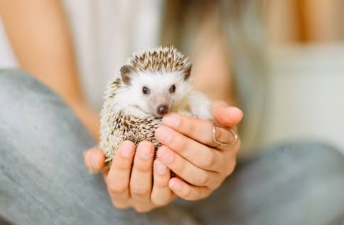
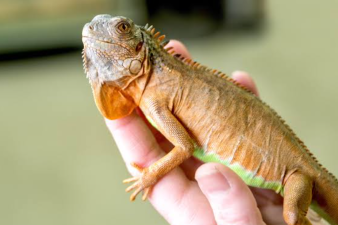
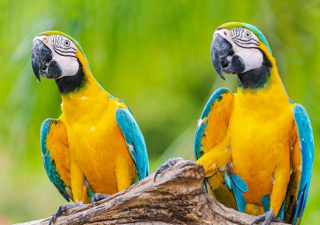
Exotic pets have become increasingly popular in recent years. From ball pythons, leopard geckos, and sugar gliders to hedgehogs, tortoises, and large parrots, these animals, distinct from traditional cats and dogs, have attracted a growing number of enthusiasts with their unique appearances and behaviors. On social media, their cute and playful side is frequently seen, with many videos even suggesting they are easy to care for and make exceptional family companions. However, many people only realize the reality after actually owning one that it's not entirely the same as what's portrayed online.
In fact, most exotic pets have very specific needs. They require specific temperatures, humidity levels, diets, and living environments, and some even require treatment from a specialized exotic veterinarian. Compared to cats and dogs, they typically don't express emotions proactively and don't adapt to new home environments quickly, requiring owners to invest more time in learning about them. Owning an exotic pet isn't about chasing novelty; it's a responsibility that may last for decades. Understanding their true needs before making a decision is far more important than the purchase itself.
Understanding an animal is far more important than simply liking it
Many people decide to keep exotic pets after seeing videos online or photos shared by friends. Those leisurely sunbathing lizards, quietly coiled ball pythons, or gliding sugar gliders all look incredibly special. However, a short video can only showcase their most appealing aspects; it cannot depict the time and energy that owners need to invest daily.
Each exotic pet has its own unique lifestyle. Some are nocturnal, rarely active during the day; some require consistently stable temperature and humidity; and some have very strict dietary requirements. Deciding to keep one solely because of their cuteness can easily lead to disappointment after actually getting to know them. Therefore, before bringing them home, it's best to take the time to understand their natural habits, behavioral characteristics, and daily care requirements, ensuring you can accept such a lifestyle.
Their living environment may be more complex than you imagine
One of the biggest characteristics of exotic pets is their high environmental requirements.
For many reptiles, a simple glass enclosure is insufficient to meet their needs. They need a stable temperature gradient to allow their bodies to regulate their body temperature freely; they need suitable humidity to help with normal molting; some species also need ultraviolet light to promote calcium absorption and bone development. Birds need sufficiently spacious activity areas, while animals like sugar gliders need rich climbing environments and social interactions.
These facilities not only need to be prepared in advance but also require long-term maintenance. If environmental conditions are consistently substandard, even if the animal doesn't appear to have any obvious problems, it can slowly affect its health.
The cost of keeping an exotic pet is not just the purchase price
Many beginners only calculate the cost of purchasing the animal itself when budgeting, neglecting the ongoing expenses.
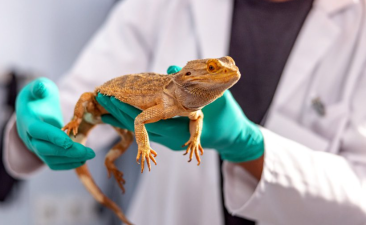
The real cost usually comes from building and maintaining the enclosure. For example, heating equipment, temperature and humidity controllers, UVB lighting, specialized food, bedding, and regularly replaced supplies are all long-term investments. If the animal develops health problems, the examination and treatment costs at exotic pet veterinary clinics are usually higher than for conventional pets.
Therefore, before deciding to keep an exotic pet, it's advisable to understand the approximate monthly costs in the future, rather than just focusing on the initial purchase price.
Some exotic pets can stay with you for many years
Many people are surprised to find that some exotic pets live much longer than they imagined.
For example, ball pythons can typically live for 20-30 years, leopard geckos often stay with their owners for over 15 years, and some large parrots can even accompany families for decades. For some large tortoises, their lifespan may even exceed that of their owners.
This means that owning an exotic pet is not just a passing hobby, but a long-term commitment. Future changes such as moving, job adjustments, marriage, having children, or even lifestyle shifts require prior consideration of whether these animals can continue to receive stable care.
Not all exotic pets enjoy interacting with people
Many people use cats and dogs as a reference, assuming all pets enjoy companionship.
In fact, most exotic pets express emotions in completely different ways. Ball pythons prefer to stay quietly in their hiding places, geckos mostly just observe their surroundings, and while tortoises will gradually recognize their owners, they won't actively greet you like a dog would. For many animals, humans are more like caregivers than playmates.
If you're looking for a pet you can interact with and play with every day, then exotic pets might not be the best choice. Understanding their nature and respecting their preferred lifestyle is more important than forcing a close relationship.
Confirm local regulations beforehand
Laws are another aspect many people easily overlook.
Different countries and regions have different regulations regarding exotic pets. Some animals require licenses, some are protected species, and some are completely prohibited from being privately owned. Failing to understand these regulations beforehand could lead to penalties and negatively impact the animal's welfare.
Choosing a reputable breeder and purchasing through legal channels is also a crucial step in responsible pet ownership.
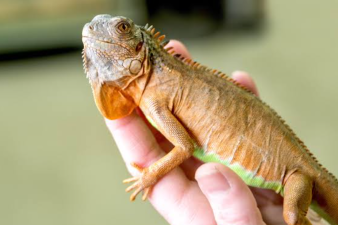
Being prepared is more important than impulsive purchases
Many exotic pets are ultimately abandoned not because they are difficult to care for, but because their owners were unprepared beforehand.
Those truly suited to keeping exotic pets typically spend considerable time reading materials, learning about pet care, and preparing their living environment in advance. They know what the animal needs and are willing to continuously learn new things about different species, rather than expecting the pet to adapt to their lifestyle.
With thorough preparation, the process of keeping an exotic pet becomes much easier, and the animal enjoys a more stable and healthy life.
Conclusion
The allure of exotic pets lies not only in their unique appearances, but also in the fact that each animal possesses its own lifestyle and behavioral patterns. Whether it's a ball python, gecko, hedgehog, parrot, or tortoise, each requires its owner to invest time, patience, and responsibility to understand them, not just provide food and shelter. Truly responsible pet ownership isn't about owning the most exotic animal, but about creating a safe, comfortable, and suitable long-term environment for them based on a thorough understanding of their needs. When you're willing to respect their nature and take on the responsibility of long-term care, the companionship between human and animal truly becomes a cherished experience.